World Cancer Day is a global reminder that surviving cancer is no longer the end of the story—it is the beginning of a new chapter. As cancer survival rates continue to improve, conversations are shifting beyond remission toward long-term quality of life. For many survivors, fertility is not a secondary concern; it is central to identity, healing, and the future they envision after treatment.
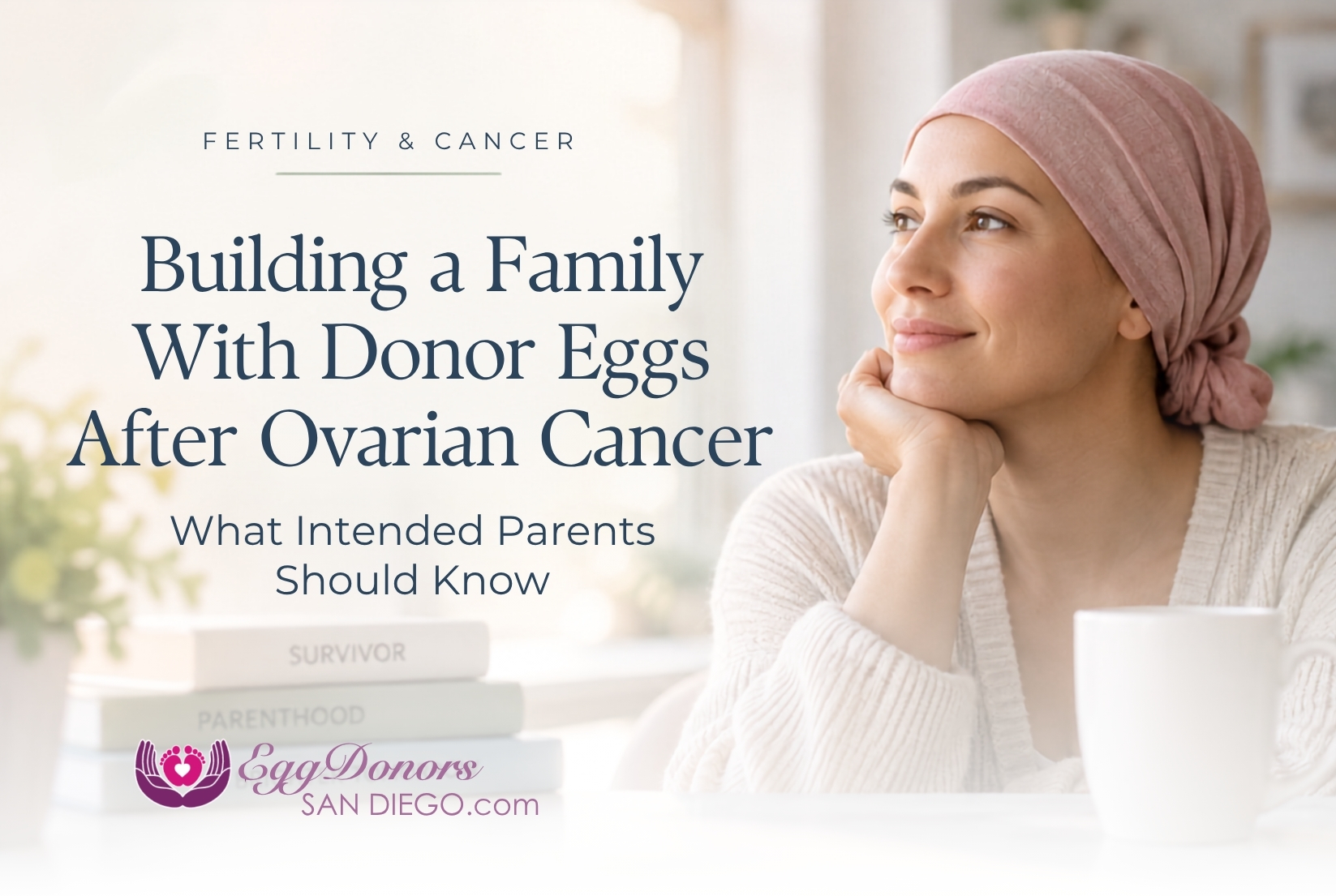
For women whose fertility was compromised by cancer or its treatment, egg donation for cancer survivors offers a powerful and compassionate path forward. It bridges medicine and humanity, allowing survivors to build families even when fertility preservation was not offered or possible prior to treatment.
Dr. Minoos Hosseinzadeh, Founder and Medical Director of Fertility Institute of San Diego and the in-house egg donor program at EggDonorsSanDiego.com, emphasizes that fertility care must evolve alongside oncology outcomes. “Survivorship is about restoring wholeness. When cancer alters reproductive potential, our responsibility is to help patients reclaim the future they imagined for themselves.”
World Cancer Day and the Long-Term Impact of Cancer on Fertility
World Cancer Day shines a light on survivorship—not only living longer, but living well. As oncology advances, fertility has become a recognized survivorship issue, giving rise to the field of oncofertility. This discipline acknowledges that cancer survivorship and fertility are deeply intertwined, particularly for women diagnosed during their reproductive years.
For many survivors, fertility loss is an unexpected and lingering consequence of treatment. Even years after remission, the realization that biological parenthood may be out of reach can surface as unresolved grief. Fertility after cancer egg donation reframes that narrative, offering a medically sound and emotionally restorative alternative.
How Cancer Treatments Can Affect Egg Quality and Ovarian Reserve
Cancer treatments are lifesaving, but they can be profoundly disruptive to reproductive health.
Chemotherapy is often gonadotoxic, damaging ovarian follicles and accelerating ovarian aging. Radiation therapy—especially when directed near the pelvis—can permanently diminish ovarian reserve. Surgical interventions may involve partial or complete removal of reproductive organs. Hormone-sensitive cancers, such as breast cancer, further complicate fertility planning due to treatment protocols that suppress ovarian function.
Cancer treatment and poor egg quality are closely linked, and the damage is often irreversible. While fertility preservation is encouraged today, many survivors were diagnosed unexpectedly or required immediate treatment, leaving no opportunity to freeze eggs or embryos beforehand.
When Fertility Preservation Wasn’t an Option
For countless survivors, fertility preservation simply was not possible. Some were adolescents or young adults who were never counseled on reproductive risks. Others faced emergency treatment timelines where survival took precedence over future planning. Access barriers and lack of awareness also played a role.
The emotional impact of egg donation for survivors often begins with this moment of realization—that biology has changed in ways they could not control. Dr. Hosseinzadeh notes, “Egg donation after chemotherapy is not a reflection of missed opportunities. It is a testament to how abruptly cancer can rewrite a life’s trajectory.”
How Egg Donation Creates a Path to Parenthood After Cancer
Egg donors for cancer patients provide a pathway that is both medically effective and deeply meaningful. By using donor eggs, survivors bypass compromised egg quality while retaining the ability to carry and deliver a pregnancy themselves.
In many cases, the uterus remains healthy and receptive even when ovarian function does not recover. Donor egg IVF California programs demonstrate consistently high success rates, making donor eggs a trusted option for family building after cancer.
Using donor eggs after cancer remission is widely considered safe when coordinated with oncology teams and a reproductive endocrinologist in San Diego. This collaborative approach ensures that pregnancy aligns with each survivor’s long-term health and remission status.
The Unique Role of Egg Donors in Cancer Survivorship
Egg donors are not merely participants in third-party reproduction. For cancer survivors, donors become part of the survivorship journey itself.
Through ethical egg donation, donors offer something that medicine alone cannot: hope after loss. One donor can help a survivor reclaim autonomy, rebuild identity, and move forward with life beyond cancer. The ripple effect is profound—restoring not just fertility, but a sense of possibility.
“Every donor represents a second chance,” says Dr. Hosseinzadeh. “For cancer survivors, that gift carries extraordinary emotional weight.”
Why Ethical, In-House Egg Donation Matters for Cancer Survivors
For intended parents cancer survivors, the structure of the donor program matters. An in-house egg donor program provides continuity, transparency, and reduced uncertainty—critical factors for individuals who have already endured complex medical journeys.
Key advantages include:
- Thorough donor screening and safety protocols
- Detailed medical, genetic, and family health history reviews
- Emotionally mature donors who fully understand informed consent
- Reliable donor availability for survivors
Ethical egg donation prioritizes dignity, safety, and trust—values that are essential for compassionate fertility care.
Stories of Hope: Cancer Survivors Building Families With Donor Eggs
Across San Diego and beyond, survivors are quietly building families with donor eggs. A young breast cancer survivor who could not preserve fertility before treatment. A leukemia survivor years into remission. A woman whose ovarian reserve never recovered after chemotherapy.
These egg donation success stories among cancer survivors are not guarantees; they are possibilities grounded in resilience. They reflect healing, renewal, and the quiet triumph of life continuing after illness.
Frequently Asked Questions
Can cancer survivors use donor eggs to get pregnant?
Yes. Donor eggs are a common and effective option when ovarian function has been compromised by cancer treatment.
Why do cancer survivors need donor eggs?
Chemotherapy, radiation, and surgery can damage egg quality or eliminate ovarian reserve, making donor eggs necessary.
Is pregnancy safe after cancer treatment with donor eggs?
In many cases, yes, with proper medical clearance and coordinated care between oncology and fertility specialists.
Do egg donors help breast cancer survivors?
Yes. Donor eggs are frequently used by breast cancer survivors, especially when hormone-based treatments affected fertility.
What is oncofertility and how does egg donation fit in?
Oncofertility addresses reproductive options for cancer patients and survivors. Egg donation is a key solution when preservation was not possible.
Can cancer survivors use donor eggs years after remission?
Yes. Many pursue donor eggs long after treatment, once their medical team confirms it is safe to do so.
Considering Becoming an Egg Donor? Your Impact Goes Further Than You Think
For women considering donation, understanding how egg donors help cancer survivors often reframes the experience. Donation is not solely a medical contribution—it is an act of restoration.
Becoming an egg donor in San Diego means offering survivors the chance to experience pregnancy, parenthood, and a future that once felt uncertain. The impact extends far beyond the clinic, touching families for generations.
If you’re ready to start your egg donation journey, click here.