Becoming selected as an egg donor is often accompanied by a mixture of excitement, pride, curiosity, and uncertainty. Many women spend time researching qualifications and completing the donor screening process, but far fewer understand what actually happens after acceptance into an egg donation program.
For many first time donors, this phase can feel unfamiliar. Questions about appointments, medications, timelines, and recovery are entirely normal. At EggDonorsSanDiego.com, transparency is an important part of the donor experience because understanding the egg donor process often helps reduce anxiety and improves preparedness.
Being selected as an egg donor is not a single appointment or isolated procedure. It is a carefully coordinated medical journey involving physicians, donor coordinators, nurses, embryologists, and fertility specialists working together to support both donor safety and intended parent outcomes.
“Many donors initially feel nervous because the process is unfamiliar. Once they understand the structure, timeline, and support system behind the cycle, most feel significantly more confident and empowered.”
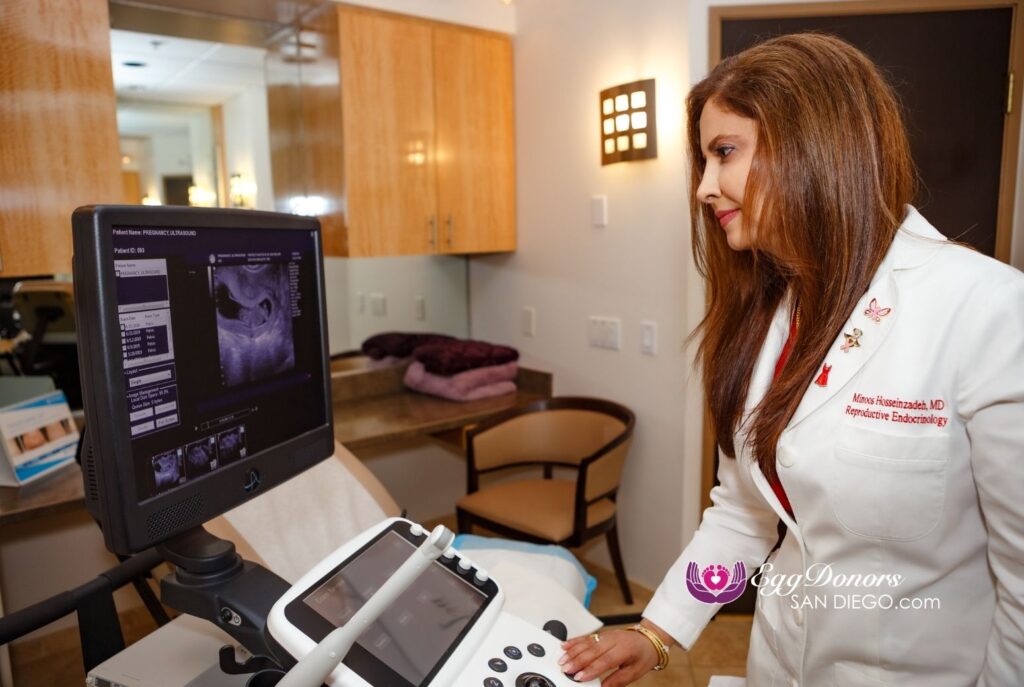
Dr. Minoos Hosseinzadeh
The Selection Process Is Only the Beginning
After being selected as an egg donor, the process becomes more structured and individualized. Acceptance into an in-house egg donor program is only the beginning of the egg donation journey.
During this stage, donors typically move into:
- Final medical clearance
- Matching coordination
- Cycle scheduling
- Legal and consent preparation
- Calendar synchronization
- Fertility medication planning
The transition from application to active participation often feels more tangible because donors begin interacting more frequently with the clinical team.
For many women exploring egg donation San Diego programs, this is the moment when the experience shifts from “considering donation” to actively preparing for a donation cycle.
Suggested Visual Placement
Infographic: “Egg Donor Screening to Retrieval Timeline”
You’ll Be Guided by a Dedicated Coordination Team
One of the most reassuring aspects of the egg donor coordination process is knowing that donors are not expected to navigate the experience alone.
Dedicated donor coordinators help manage:
- Appointment scheduling
- Medication timelines
- Communication updates
- Travel coordination if needed
- Questions throughout the cycle
- Monitoring appointment reminders
The egg donor appointments timeline can involve multiple moving parts, especially when synchronization between donor and recipient cycles is necessary. Coordinators act as the logistical anchor of the process.
“Organization and communication are essential in donor cycles. Our goal is to ensure donors always know what comes next and feel supported throughout every stage.”
Dr. Hosseinzadeh
Suggested Visual Placement
Callout Box: “Meet Your Donor Support Team”
What Happens Before Medications Begin
Before ovarian stimulation medications start, several preparatory steps occur behind the scenes.
These may include:
- Updated bloodwork
- Infectious disease screening
- Ultrasound evaluations
- Consent documentation
- Psychological review if required
- Cycle calendar finalization
Some donor cycles require synchronization between the donor and intended parent. This coordination helps optimize embryo transfer timing and IVF cycle precision.
At this point in the egg donor cycle process, donors receive detailed instructions regarding medications, appointments, and anticipated timelines.
Understanding the Medication Phase
The egg donor medication process is often one of the most discussed aspects of the egg donation journey.
During ovarian stimulation, fertility medications encourage multiple eggs to mature simultaneously rather than the single egg normally released during a typical menstrual cycle.
These medications are generally self-administered injections taken on a strict schedule.
For first time donors, injections may initially feel intimidating. However, most donors adapt quickly after receiving guidance from their medical team.
Common aspects of this phase include:
- Daily injections
- Medication storage instructions
- Timing precision
- Regular communication with nurses
- Monitoring for response and safety
The process is highly individualized. Medication doses are adjusted based on hormone levels and follicular development.
“Most donors become far more comfortable after the first few days. Education and preparation make a tremendous difference in reducing anxiety.”
Dr. Hosseinzadeh
Suggested Visual Placement
Medication Checklist Graphic: “Typical Egg Donor Medication Process”
Monitoring Appointments and Why They Matter
Egg donor monitoring appointments are one of the most important components of donor safety protocols.
Throughout stimulation, donors attend periodic visits for:
- Bloodwork
- Hormone monitoring
- Ultrasound imaging
- Follicle measurement
- Medication adjustments
These appointments allow physicians to carefully monitor ovarian response while minimizing complications.
Monitoring also helps determine the ideal timing for egg retrieval.
The frequency of visits increases as follicles mature, especially during the final days before retrieval.
For donors participating in an egg donor San Diego program, monitoring appointments are typically streamlined and coordinated to accommodate work or school schedules whenever possible.
Life During the Donation Cycle
One of the most common questions about what to expect as an egg donor involves daily life during the cycle.
Most donors continue normal routines throughout much of the process, including:
- Attending school
- Working
- Social activities
- Light exercise
- Daily responsibilities
However, temporary modifications are usually recommended.
These may include:
- Avoiding high-impact exercise
- Limiting strenuous activity
- Staying hydrated
- Prioritizing sleep
- Avoiding alcohol or nicotine
As ovaries enlarge during stimulation, intense physical activity may increase discomfort or risk of ovarian torsion.
The process is structured but generally manageable for most healthy donors.
Suggested Visual Placement
Week-by-Week Donor Experience Timeline
What Egg Donors Often Feel Emotionally During the Process
The emotional dimension of the egg donation journey is often underestimated.
Donors frequently experience:
- Excitement
- Pride
- Nervousness
- Anticipation
- Curiosity
- Emotional responsibility
Many women describe feeling deeply connected to the idea of helping another person or family achieve parenthood.
Others feel empowered by participating in a medically sophisticated and meaningful process.
There is no “correct” emotional response during the egg donor process. Experiences vary significantly between individuals.
“Egg donors are contributing to something profoundly life-changing. That sense of purpose often becomes one of the most memorable aspects of the experience.”
Dr. Hosseinzadeh
The Egg Retrieval Procedure Explained
The egg retrieval process for donors is a minimally invasive outpatient procedure performed under sedation.
When follicles reach optimal maturity, donors receive a “trigger injection” timed precisely before retrieval.
During the procedure:
- Sedation is administered
- Ultrasound guidance is used
- Eggs are retrieved through a specialized needle
- The procedure usually lasts 20 to 30 minutes
Donors do not typically feel pain during retrieval because of sedation.
Afterward, patients recover briefly in the clinic before returning home with a companion.
For many first time egg donor experience participants, retrieval day feels less intimidating than anticipated because the process is highly organized and medically supervised.
Suggested Visual Placement
Procedure Flowchart: “Behind the Scenes Egg Donation Retrieval Day”
Recovery After Egg Retrieval
Recovery following egg retrieval is usually straightforward, although temporary symptoms are common.
Donors may experience:
- Mild bloating
- Cramping
- Fatigue
- Pelvic fullness
- Temporary discomfort
Most donors return to normal activities within several days, although strenuous exercise should still be avoided briefly.
The clinical team continues follow-up communication to ensure proper recovery and monitor for rare complications.
Donor safety remains the central priority throughout the entire egg donation San Diego process.
Why Communication and Reliability Matter Throughout the Process
Egg donation cycles involve highly coordinated medical timing.
Medication schedules, hormone monitoring, embryology preparation, and intended parent coordination all rely on consistency.
Exceptional donors help cycles run smoothly by:
- Attending appointments reliably
- Responding promptly
- Following medication instructions carefully
- Communicating concerns early
Reliability is one of the most valued characteristics within an in-house egg donor program because donor consistency directly supports cycle precision and patient outcomes.
Behind Every Donation Cycle Is a Carefully Coordinated Medical Team
Behind the scenes egg donation involves far more than donor appointments alone.
A comprehensive fertility team may include:
- Reproductive endocrinologists
- Nurses
- Donor coordinators
- Embryologists
- Ultrasound technicians
- Anesthesia professionals
Every aspect of the egg donor process is monitored carefully to prioritize safety, timing, and embryo development quality.
This collaborative structure helps donors feel supported throughout each phase of the cycle.
Precision IVF and Donor Egg Cycles at FISD
Donor egg IVF cycles require exceptional coordination between donor management, embryology standards, and embryo development monitoring.
At Fertility Institute of San Diego, advanced technologies are incorporated into the IVF process to support informed embryo assessment.
Fertility Institute of San Diego is currently the only clinic in San Diego that includes AI-assisted EmbryoScope technology with Chloe AI as part of every IVF cycle.
This technology supports:
- Continuous embryo monitoring
- Time-lapse embryo development analysis
- Additional embryo assessment data
- Precision-focused IVF protocols
For donor egg IVF cycles, these advanced embryology tools may provide valuable insights during embryo development and selection.
Most Donors Finish the Process Feeling More Empowered Than They Expected
Many women enter the egg donation journey with understandable uncertainty. Yet by the end of the process, donors frequently describe feeling more confident, informed, and empowered than they initially imagined.
The experience often provides:
- Greater appreciation for reproductive medicine
- A sense of accomplishment
- Emotional fulfillment
- Personal growth
- Pride in helping intended parents
While every donor experience is unique, many donors leave the process with the lasting knowledge that they played an important role in helping another family move closer to parenthood.
If you’re ready to start your egg donation journey, click here.
Frequently Asked Questions
What happens after you’re selected as an egg donor?
After egg donor selection, donors complete final screenings, begin cycle coordination, receive medication instructions, attend monitoring appointments, and eventually undergo egg retrieval.
How long is the egg donor process after matching?
The active egg donor cycle process typically lasts several weeks, although preparation and coordination may begin earlier.
What medications do egg donors take?
Egg donors usually take ovarian stimulation medications designed to help multiple eggs mature during one cycle.
How often are monitoring appointments?
Egg donor monitoring appointments may occur every few days during stimulation and become more frequent closer to retrieval.
Is egg retrieval painful?
Egg retrieval is performed under sedation, so donors generally do not feel pain during the procedure itself.
How long does recovery take after egg retrieval?
Most donors recover within a few days, though mild bloating and fatigue can temporarily occur.
Can I work or go to school during egg donation?
Yes. Most donors continue work or school during the egg donation journey, although temporary activity modifications are recommended.